Vedran Galijas Talks to YARE: Building RZO’s U14 Pathway in Switzerland
Vedran Galijas answers YARE WATER POLO’s questions about RZO’s development programme in Switzerland, discussing daily club training, player selection, coach development and continuity from TOMO to HaBaWaBa.
 By Alex Riva · International Editor
Vedran Galijas answered YARE WATER POLO’s questions in a written interview about the development work behind RZO’s tournament victory in Lugano, at the Trevano pool. The regional head of water polo at RZO, who also coaches Horgen U14 and U16, explains how club training, regional selection and international experience fit together.
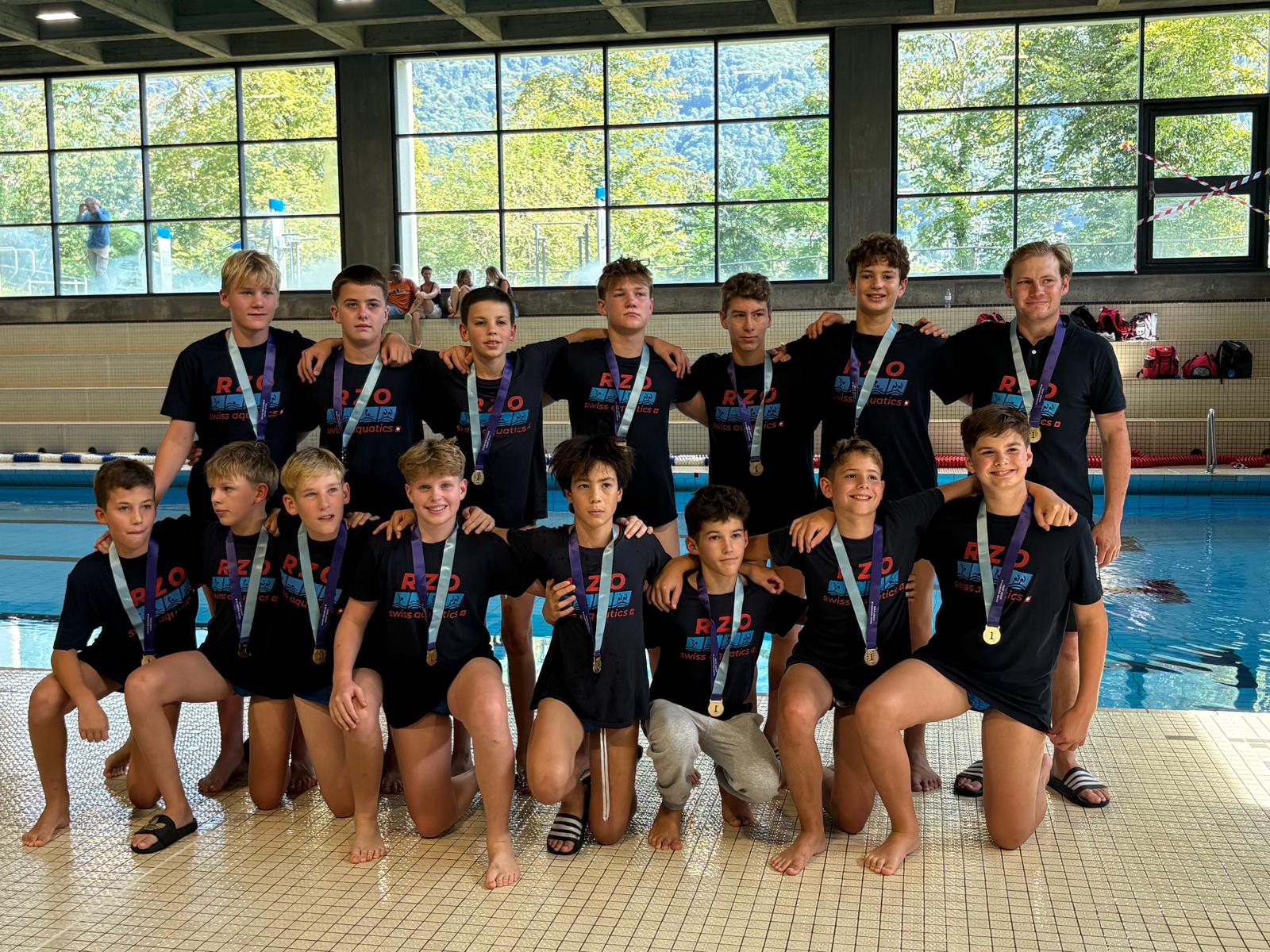
A Swiss coach who grew up within the Swiss water polo system, Galijas begins by recognising the people working with the players every day. He describes the result as a reflection, above all, of sustained work by the clubs and their coaches.
Below are YARE’s four questions and his answers, lightly edited for grammar and punctuation.
YARE WATER POLO: How is the RZO U14 training programme organised throughout the season?
Vedran Galijas:
The result should also be seen in its broader context. Swiss Aquatics is organised into five regions, but the number of water polo clubs and the depth of their youth programmes vary considerably. RZO draws players from six clubs, including several with particularly strong youth programmes by Swiss standards. This provides a solid foundation for our regional selection.
The players train primarily with their home clubs, where they also compete in the Swiss championship. Almost all their everyday preparation and development takes place there. Regional training sessions bring them together approximately every two to three months, complemented by tournaments and training camps.
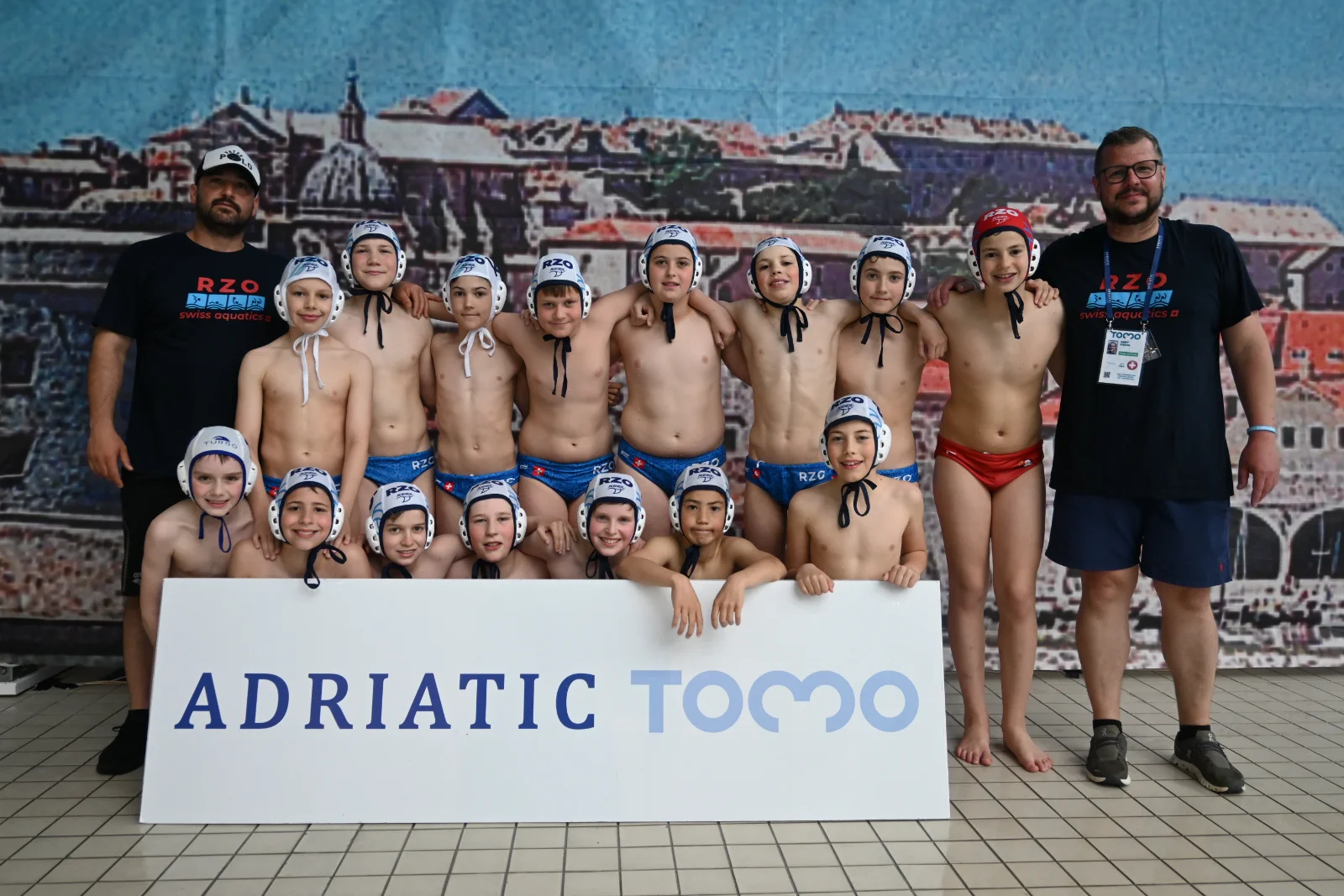
For this generation, continuity and international experience have also been valuable. Our programme for players born in 2013 has included the TOMO tournament in Dubrovnik at U12 level, followed by HaBaWaBa at U13 level. Much of the U14 squad in Lugano had already played together at TOMO and HaBaWaBa.
YARE WATER POLO: How do the clubs within the region cooperate in player development and selection?
Vedran Galijas:
Each club contributes within its own circumstances, and the strength of individual age groups naturally varies over time. Horgen has developed particularly strong generations in recent seasons. The cooperation between two clubs in our region, Aegeri and Aquastar, is another valuable example: by combining their resources and players, they have been able to field successful youth teams, winning national titles and regularly reaching the top four. Zurich, Zug and Winterthur also contribute talented young players to the regional programme.
Our coaches know the players through domestic competition and joint training opportunities. Selection combines swimming assessments, often a 100 metre freestyle test without a dive, with practice games and observation over time. Swimming performance is measurable, but technical ability, game understanding and suitability for different playing positions require a broader assessment.
We aim to give players from all clubs an opportunity, while recognising that the distribution of talent differs between generations.
The regional programme also helps develop coaches. Alongside coaches who have demonstrated strong development work in their clubs, we give less experienced coaches opportunities to lead, supported by a more experienced assistant.
YARE WATER POLO: Which technical, physical or tactical principles have contributed most to the team’s current level?
Vedran Galijas:
In my view, a strong swimming foundation is the main factor behind our current advantage.
Players who enter water polo without this foundation face a considerable challenge. An encouraging development is that more clubs are connecting their swimming schools with water polo, introducing children to the sport around the age of eight or nine while continuing to develop their swimming.
Swimming and basic ball skills should develop together. By ten or eleven, the aim is for children to move confidently in the water and have a sound foundation in passing, shooting and body positioning.
This allows them to participate more effectively and makes further learning easier. A player may have a good shot, but first needs to be able to reach a shooting position with the ball.
“Swimming and basic ball skills should develop together.”
Vedran Galijas, in his interview with YARE WATER POLO
YARE WATER POLO: Which parts of the RZO model could be shared with other regions to strengthen youth water polo across Switzerland?
Vedran Galijas:
The most transferable lesson is to strengthen development within the clubs. The region can support clubs and help them address difficulties, but recruitment and everyday training happen locally.
Every club operates within different conditions, particularly regarding pool access, coaching resources and the number of young players. In Switzerland, water time is a significant constraint. Clubs often depend on municipal pools shared with schools and the public, so securing sufficient training opportunities requires creativity and cooperation.
Recruiting children early and finding motivated coaches who can inspire them are essential. Once a sound swimming and technical foundation is established, international experience becomes particularly valuable.
At RZO, we complement domestic training with winter camps, summer camps, often in Liguria, and international tournaments. These experiences allow our players to learn from opponents and playing environments they do not regularly encounter at home.
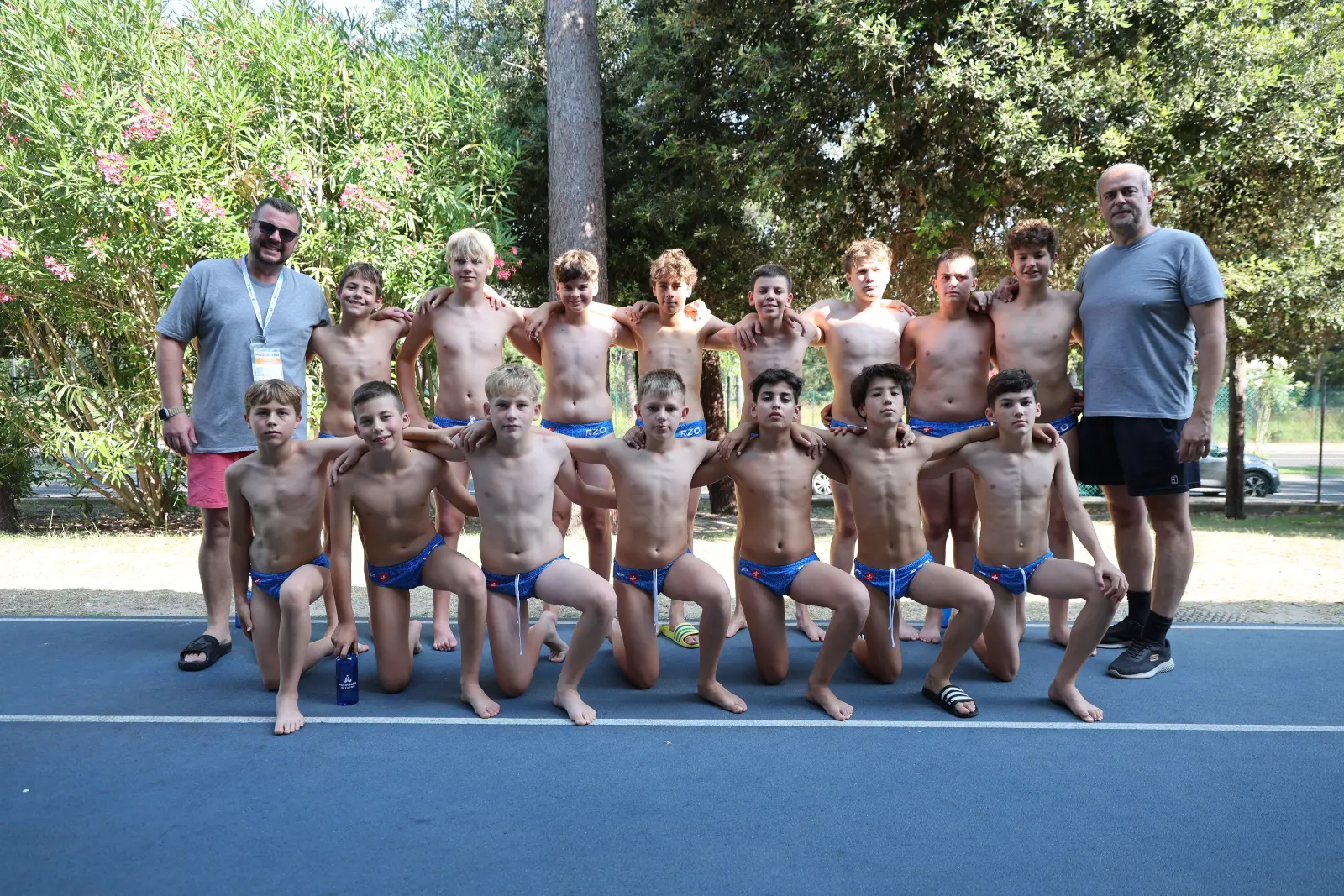
Combining strong club foundations, regional support and international exposure can help more young players reach their middle and late teenage years with the skills needed to develop towards Switzerland’s top domestic league and national teams.
The YARE perspective
Vedran Galijas’s interview gives concrete meaning to development. Clubs provide the daily work, the region creates additional opportunities and international experience broadens what players encounter in competition.
His account also recognises different starting points. Regions do not have the same number of clubs or the same depth in their youth programmes. His testimony explains RZO’s approach and offers ideas that can be adapted to the needs of other areas.
For Swiss water polo, the continuity of that work will also be visible in the young players who remain in the sport after their years in the youngest age groups.
PHOTO GALLERY
Tags